Mensah M. Dean writing for The Trace:
Last year,
Philadelphia’s record-breaking decline in shootings outpaced that of every
other large U.S. city. That progress hasn’t slowed down violence prevention
groups like Men Who Care of Germantown, Inc., whose volunteers are still making
their rounds.
“It hasn’t
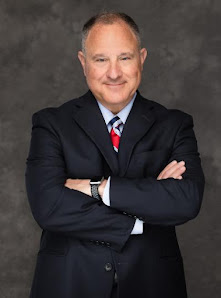
slowed down for us,” said Executive Director Joe Budd. “We still go to the
street corners because the guys are still hanging on the corners. We still go
and have conversations with them and bring resources to those guys to get them
working and productive.”
Five days
a week, volunteers stop by schools. Off campus, they regularly canvass their
community, chatting up young people at rec centers and on street corners, Budd
said. It’s a long-term approach designed to continue the city’s historic streak
of decreasing violent crime.
“We’re
prevention. We’re engaging them where they are, building relationships and
bringing resources to prevent them from even thinking about picking up a gun,”
said Budd. “I don’t think we can slow down, because you don’t want the numbers
to rise.”
Philadelphians,
from City Hall to the communities plagued by the most gun violence, concur that
even on the heels of a 24.5 percent drop in shootings last year, anti-violence
intervention and prevention work must not slow down. Many believe that the drop,
which went beyond undoing a COVID-era spike in violence, can be explained by
across-the-board collaboration among city government agencies — like the
city Police Department and other law enforcement partners — and grassroots
community organizations, like Men Who Care of Germantown.
Those on
the frontlines of violence reduction interviewed by The Trace said that in
addition to continued collaboration, key to driving down shootings this year
will be keeping community organizations funded and working on stopping violence
before it starts.
Their
observations come amid the
Trump’s administration’s decision to freeze billions of dollars in
grants to local governments and slash more than $800 million in funding to
organizations working to combat violence, drug abuse, and other social
ills.
“We
definitely need a sustainability plan which means continuous and more funding.
The organizations that are doing the work need to be able to sustain these
programs,” said Angenique Howard, executive director of Unique Dreams, which
runs an evening resource center that attracts an average of 35 to 40 youth a
day in the city’s Frankford section. “It’s one thing to have it year-to-year.
But we need some sort of concrete contract.”
Fewer
shots fired
Mayor
Cherelle Parker has ramped up community policing since taking office in January
2024, city officials have noted, which means that more officers are walking
beats from the troubled streets of Kensington to east Market Street in the
heart of Center City. At the same time, the city spent $25 million last year to
fund dozens of grassroots community groups’ crime prevention
initiatives.
Violent
crime since then has dropped significantly. Philadelphia ended 2025 with 222
homicides, a 17.5 percent decline compared to 2024 and the fewest since 1966,
according to the Philadelphia
Police Department. Philly saw 24.5 percent fewer shootings from 2024. There
were 13.1 percent fewer shooting victims, 20.24 percent fewer robberies with
guns, and 12.85 percent fewer aggravated assaults with guns.
So far,
that trend is continuing into 2026. Through January 25, there were fewer
homicides than at the same time last year. There were nine homicides, down from
13 at the same time last year. There had been 37 slayings on this date in 2021,
the year the city recorded the most killings in its history, the data shows.
While a
report from the Pew Charitable Trusts late last year lauded the city’s
progress, it also acknowledged that parts of Philadelphia remain persistently
violent. An analysis from
The Trace’s Gun Violence Data Hub reached the same conclusion.
“The
greatest number of gun violence victimization occurred in North, West, and
Southwest Philadelphia, areas which also have the lowest median household
income, lowest quality of life indicators, and highest concentration of vacant
land and buildings,” the report from Pew Charitable Trusts said. “So, while
homicides are down citywide, men of color and residents in disadvantaged
neighborhoods continue to face an outsized risk of violence.”
Budd said
such realities drive his organization to foster relationships with young
people.
“Our motto
is, ‘Catch ‘em before the streets catch ‘em,’” he said. “If they’re in our path
we can follow them, conceivably, from third grade to college. Once we build
those relationships we can change their mindsets about gun violence and about
how to deal with any type of issues that come up surrounding violence and
conflict resolution. Those are the types of things we try to do to keep them
from picking up a gun.”
Mark
Wainwright, founder and CEO of It Takes a Village to Feed One Child, said
addressing basic human needs — including making sure young people in
low-income, high-crime areas have enough to eat — is part of the solution. His
nonprofit, which he founded in 2017, is funded by the federal and state
government. It Takes a Village provided more than 250,000 meals a month at over
100 community centers last year. He projects that it will provide more than
350,000 meals a month at 150 centers this year.
“When
children have proper nutrition their motor skills are better, their social and
development stills are better,” Wainright said. “They are more positive in the
community, and holistically, they want to do better.”
Word of
the year: Collaboration
During her
State of the City address in late December, Parker seized on the Pew report’s
findings that the city had the largest drop in homicides compared to 20 other
cities.
“None of
this is happening by accident,” Parker told an enthusiastic audience at Temple
University. “Yes, we’re laser-focused on our comprehensive public safety
strategy. … But it’s coupled with close and daily collaboration between our
Philadelphia Police Department, our Office of Public Safety, and our
community-based partners.”
Police
Commissioner Kevin Bethel said in an interview that officers also recognize and
appreciate community-driven work toward safety.
“Order
maintenance is one of the biggest things that reduces crime. That’s when the
community keeps things in order, they make sure things are being done
effectively. They make sure that the block is being kept safe,” he said.
“Sometimes, we don’t give the community enough credit.”
A five-year
strategic plan, which is scheduled to be revealed in several weeks, will
provide further guidance on community partnerships, he said. The last time the
department had a similar report was in 1986, he added. “We’re at a great place
right now, we have the wind at our back, and we’re going to keep pushing.”
Philadelphia
District Attorney Larry Krasner had a similar theory about the cause of
Philly’s progress.
“It’s
because of good coaches, it’s because of good clergy, it’s because of good
neighbors, it’s because of good mentors, it is because of good community-based
organizations, and it is because of people in government who actually invest in
human beings,” he said at a recent news conference.
Krasner
noted that police are making more arrests, thanks in part to technological
advances including cameras, license plate readers, and cellphone geolocation.
The falling number of open shooting cases has allowed police detectives to
spend more time on fewer cases, resulting in stronger cases, he said.
Budd,
whose group has worked with Krasner’s office over the years, said he’s set a
goal to spend more time this year helping other violence prevention groups
establish themselves.
“If they
want to mirror our program, we’re open to showing people how to do what we do,”
he said. “There’s about 22 schools in the Northwest, and there’s no way we can
service all of those schools.”
To read more CLICK HERE




 Posts
Posts


No comments:
Post a Comment